Ecoponto em São Paulo: o que pode levar e como funciona

Veja o que pode levar ao Ecoponto em São Paulo, os limites, horários, materiais proibidos e quando usar o Cata-Bagulho no lugar.
Em Golang , estruturas (ou structs) nos permitem agrupar elementos de diferentes tipos em uma única unidade, o que é útil para modelar entidades do mundo real. Estruturas anônimas em Golang são estruturas temporárias sem nomes usadas para propósitos únicos, enquanto campos anônimos permitem a incorporação de campos sem nome.

Por exemplo:
package main
import "fmt"

// struct học sinh với cấu trúc và trường ẩn danh
type Student struct {
    struct {    // Cấu trúc bên trong ẩn danh cho thông tin cá nhân
        name string
        enrollment int
    }
    GPA float64  // Trường chuẩn
}

func main() {
    student := Student{
        struct {
            name string
            enrollment int
        }{
            name: "A",
            enrollment: 12345,
        },
        GPA: 3.8,
    }
    fmt.Println("Name:", student.name)
    fmt.Println("Enrollment:", student.enrollment)
    fmt.Println("GPA:", student.GPA)
}
Sintaxe:
variable := struct {
    field1 dataType1
    field2 dataType2                                                          # Cấu trúc ẩn danh
    // Trường bổ sung khi cần
}{value1, value2}


type StructName struct {
    dataType1
    dataType2                                                                    # Trường ẩn danh
    // Trường ẩn danh bổ sung
}
Estruturas Anônimas em Go
Estruturas anônimas em Go são definidas sem nome e são úteis para criar estruturas temporárias e descartáveis. Aqui está a sintaxe e o exemplo de código.
Sintaxe:
variable := struct {
    field1 dataType1
    field2 dataType2
    // Các trường bổ sung khi cần
}{value1, value2}
Por exemplo:
package main
import "fmt"
// Cấu trúc sinh viên với cấu trúc bên trong ẩn danh cho thông tin cá nhân
type Student struct {
    personalDetails struct { // Cấu trúc ẩn danh bên trong cho thông tin cá nhân
        name       string
        enrollment int
    }
    GPA float64 // Trường chuẩn
}
func main() {
    // Khởi tạo cấu trúc bên trong cho student
    student := Student{
        personalDetails: struct {
            name       string
            enrollment int
        }{
            name:       "A",
            enrollment: 12345,
        },
        GPA: 3.8,
    }
    // Hiện giá trị
    fmt.Println("Name:", student.personalDetails.name)
    fmt.Println("Enrollment:", student.personalDetails.enrollment)
    fmt.Println("GPA:", student.GPA)
}
Resultado:
Name: A
Enrollment: 12345
GPA: 3.8
Este código define uma estrutura Student com uma estrutura personalDetails anônima dentro, armazenando o nome e as informações de registro. Em seguida, inicialize o aluno com valores para esses campos e imprima-os.
Campos anônimos
Campos anônimos em Go permitem que você defina campos sem nomes explícitos, apenas seus tipos são especificados. Isso é útil quando os campos seguem naturalmente o nome do tipo.
Sintaxe
type StructName struct {
    dataType1
    dataType2
    // Additional anonymous fields
}
Por exemplo:
package main
import "fmt"

// Cấu trúc học sinh bằng các trường ẩn danh
type Student struct {
    int     // Số đăng ký (trường ẩn danh)
    string  // Tên trường ẩn danh
    float64 // GPA (trường ẩn danh)
}

func main() {
    // Khởi tạo struct học sinh với các trường ẩn danh
    student := Student{12345, "A", 3.8}

    // Hiện giá trị
    fmt.Println("Enrollment:", student.int)
    fmt.Println("Name:", student.string)
    fmt.Println("GPA:", student.float64)
}
Resultado:
Enrollment: 12345
Name: A
GPA: 3.8
Aqui, os tipos de dados ( int, string, float64 ) atuam como nomes de campos, portanto, o acesso aos valores depende dos tipos.
Pontos importantes a serem lembrados sobre campos anônimos em Golang
1. Requisito exclusivo: você não pode usar dois campos do mesmo tipo em uma estrutura. Por exemplo:
type InvalidStudent struct {
    int
    int // Error: duplicate type
}
2. Combinando campos nomeados e anônimos: Você pode combinar campos anônimos e nomeados em uma estrutura.
type Student struct {
    id int // Named field
    int    // Anonymous field
}Veja o que pode levar ao Ecoponto em São Paulo, os limites, horários, materiais proibidos e quando usar o Cata-Bagulho no lugar.
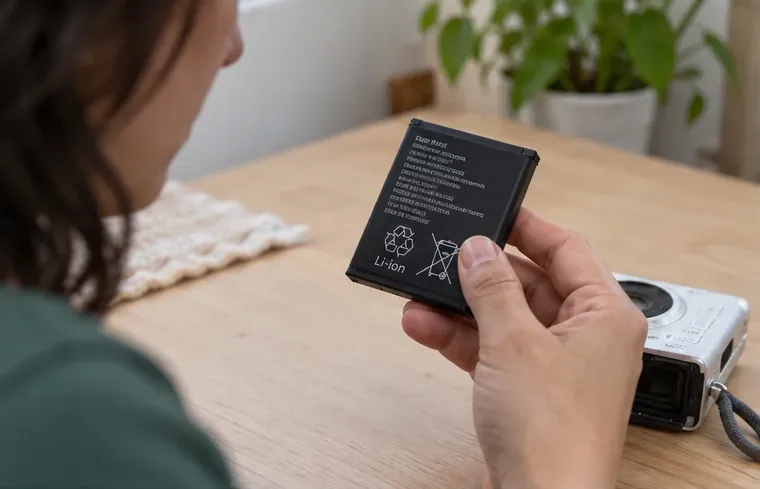
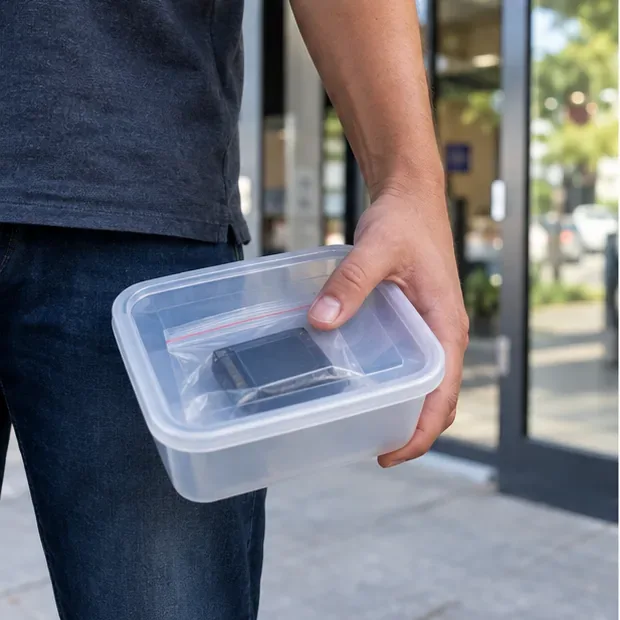
Veja onde levar baterias de lítio em Ribeirão Preto, como comparar ecopontos e logística reversa e o que fazer com baterias inchadas ou integradas a eletrônicos.
Veja como emitir a segunda via do IPTU em Duque de Caxias, consultar débitos, conferir a guia e saber quando procurar a Fazenda.
Veja como descartar sofá em Belo Horizonte, compare URPV, doação e coleta privada e entenda limites, custos, transporte e erros a evitar.
Saiba como descartar celular em Campo Grande com segurança: prepare os dados, encontre Ecoponto ou PEV e cuide da bateria antes da entrega.
Saiba onde descartar power bank em Uberlândia, como encontrar pontos de logística reversa e quais cuidados tomar antes de levar a bateria.
Entenda os requisitos do BPC para idoso em 2026: idade mínima, renda por pessoa, CadÚnico, biometria, cálculo da família e como solicitar.
Saiba como corrigir dados cadastrais do FGTS e quando usar o app, a Receita Federal, o RH da empresa ou a CAIXA.
Veja onde entregar um notebook em Uberlândia, como apagar seus dados, preparar o transporte e agir quando a bateria estiver danificada.
Saiba onde e como descartar bateria de lítio em Belo Horizonte, como preparar o material com segurança e o que fazer se a bateria estiver inchada ou danificada.